
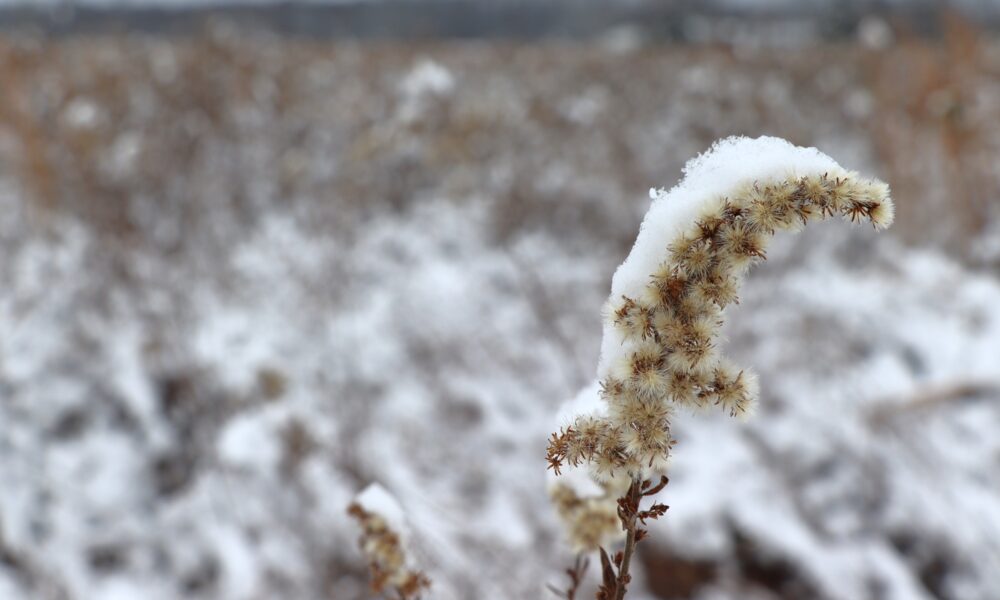
Written by Megan Ayers, Images by Elli Blaine
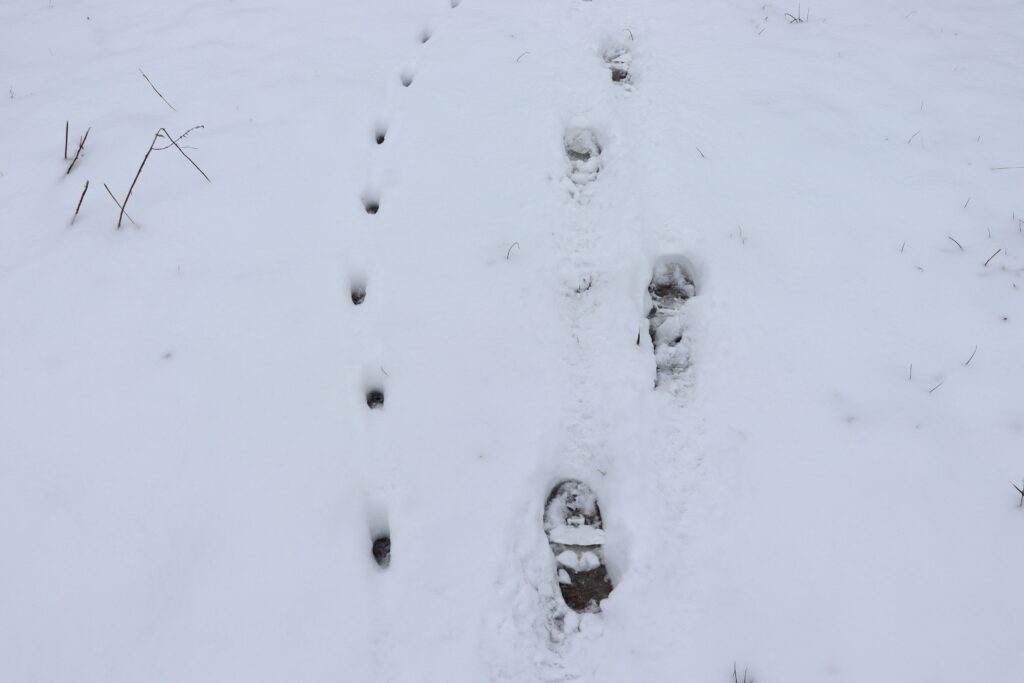
It’s cold and dark and there’s snow on the ground. My headlamp makes a luminous circle on the blanket of snow before me, and I pick my way carefully in heavy boots, breath pluming, with a five-gallon bucket of water sloshing in each gloved hand.
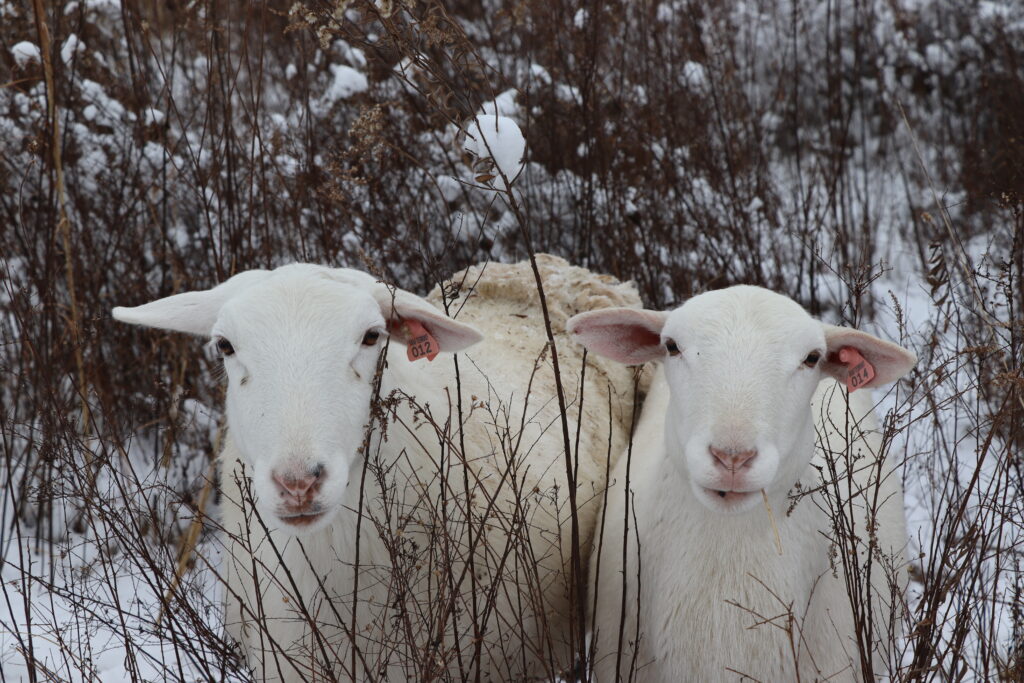
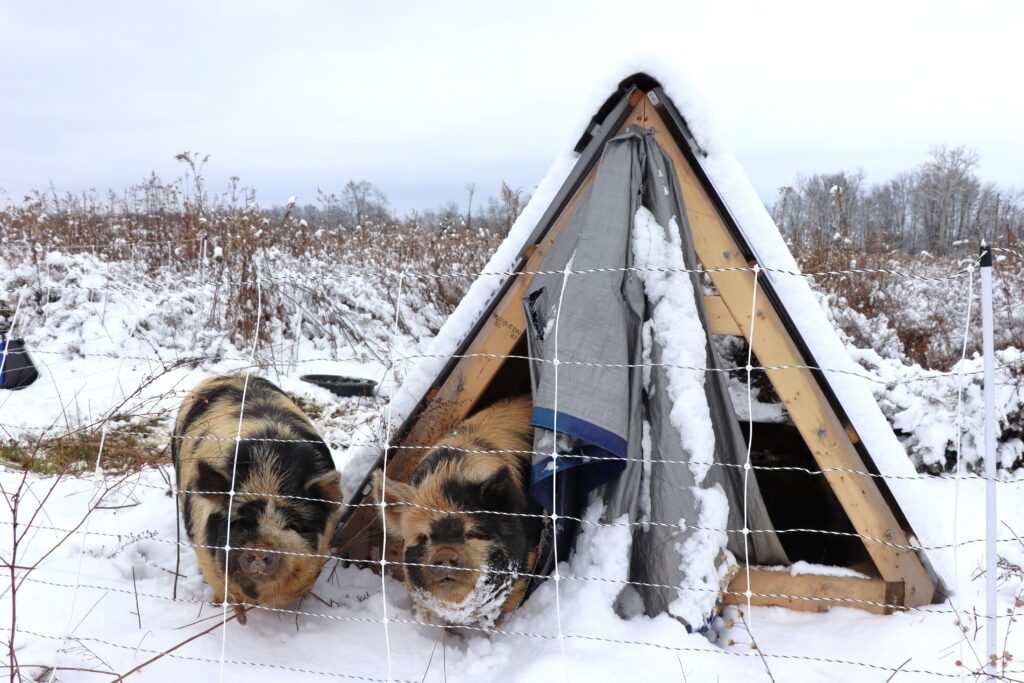
I’ve come from my morning chores pink-cheeked and snot-nosed, doing multiple trips back and forth with those full buckets watering my sheep and pigs, then battling the nosey and noisy gaggle of geese and chickens expectant for their own morning breakfasts (to foul in record time).
Despite the temperatures and darkness, this time of year is my favorite: it’s not, as many would assume, a farmer’s time to rest and relax, but instead, it brings back a glimmer of hope to what I do, and I get very busy in another way.
Mere weeks after finishing transplanting my last fall and winter crops, I get the opportunity to dream big of the perfect season. A twelve month cycle where I don’t lose a crop, don’t neglect the starts ailing in the laundry room corner, and apply the silage tarp when I should; a season where the fun, experimental variety I gambled on is actually a hit at the farmer’s market, and the infrastructure I’ve been scraping to build for the last five years finally comes into consistent and reliable use; a season where I complete my tasks before the sun goes down, or comes up, depending on the “to-do” list; a season marked by actually noticing the effect of the stewardship and conservation practices I’ve worked hard to implement, not in the traditional financial way, but in the increase in disease and pest resistance through soil health, water conservation, and diversity of life. In short, winter may not slow down for the small-scale producer, but it does give us an opportunity to do the heavy lifting of growing and changing from season to season.
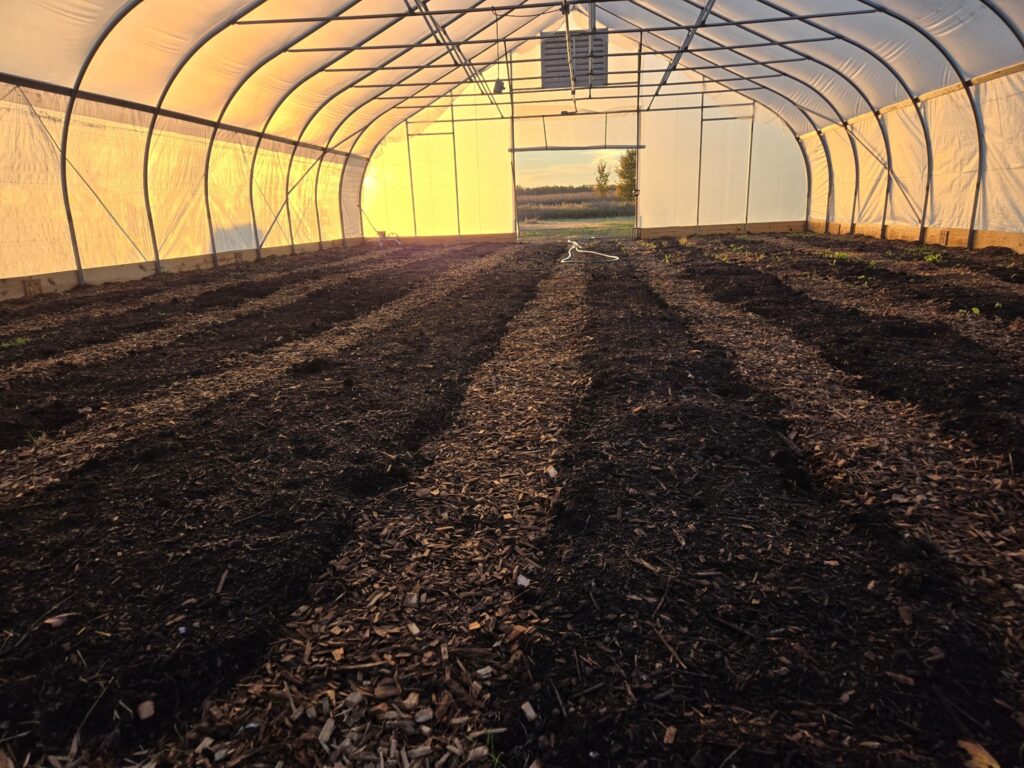
Nobody denies it’s hard work to farm, and certainly, the reward is rarely financial: it’s in the reminder of the incremental improvements to the land noticed after a long day, the smile of the customer who brags about the delicious meal they nourished their family with after visiting your booth at the farmer’s market, the happy grunt of the pigs as you scratch behind their ears and give them feed, the sunset glowing and golden as your finish the harvest, the quiet and cold mornings of hauling water across a field to care for a part of a cycle that’s bigger than you can ever be.
Farming isn’t a job, it’s a calling, a vocation, and I am thankful during these darker days and colder nights that I am able to advocate for and (hopefully) improve Indiana’s small-scale agricultural lands through my work with Indiana Small Farms Conservation, and on my own eleven acres, walking through the snow or leaves or grass, noticing my own small part in an infinitely complex system that keeps us all breathing, eating, and rising to do it again each morning.
Great article Megan! Thanks for sharing!