
7201 Girl Scout Ln
Indianapolis, IN 46214
Date: May 13, 2026
Time: 9:30 AM to 3:30 PM Eastern
Location: Girl Scouts of Central Indiana, 7201 Girl Scout Ln, Indianapolis, IN 46214
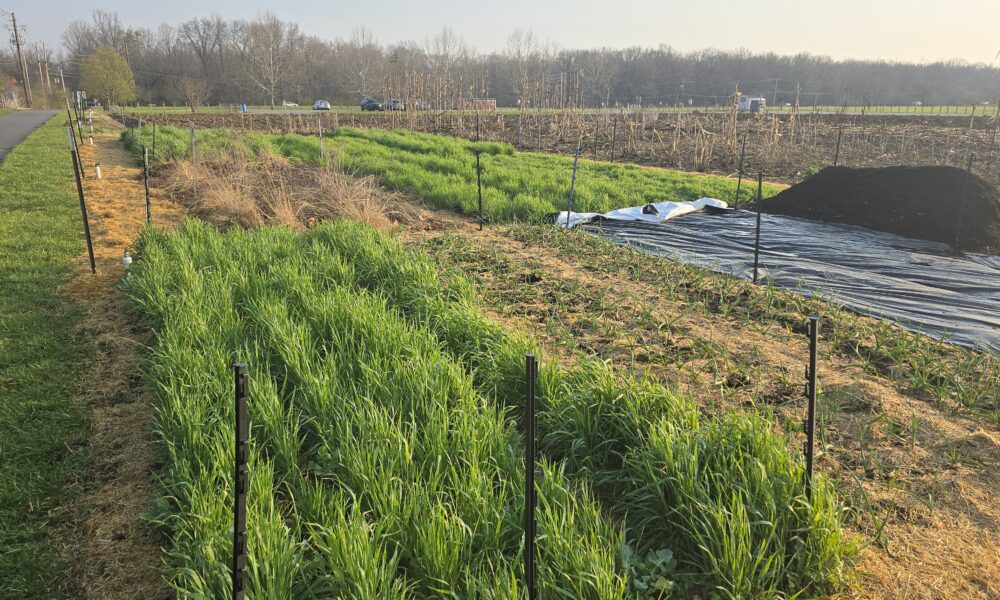
The afternoon field day will be hosted at the nearby Marion County SWCD Demonstration Garden, West 56th Street & Reed Road, Indianapolis, IN 46254.
Lunch: Provided in partnership with North Central SARE
Description
Step through the process of planning and implementing soil health practices and holistic conservation in small-scale agriculture. We know soil health matters—this workshop focuses on the practical steps needed to plan and implement it.
The morning indoor session will walk through crop planning, soil management, and conservation practices used in intensive vegetable production. Using the Marion County SWCD Demonstration Garden as an example, participants will develop a vegetable crop plan and learn how to use Indiana tools and resources to build a complete soil health strategy. Topics include crop rotation, reduced tillage, cover crops, mulching, and nutrient management.
In the afternoon field session, participants will tour the Marion County SWCD Demonstration Garden and see these practices applied bed-by-bed. Demonstrations will include crop maintenance, cover crop and mulch management, tarping, composting, and wildlife habitat plantings.
Who Is This For?
Indiana Conservation Partners, including:
- SWCD
- NRCS
- ISDA
- Purdue Extension
- The Nature Conservancy (TNC)
Suggested Preparation
Participants are encouraged to review the following tools before the workshop:
Examples of these tools will also be demonstrated during the workshop.
Registration
Register by May 1 to secure your lunch spot.
Morning Indoor Session Agenda
Permanent Bed Systems
- Site considerations: location, soil type, and drainage
- Using Web Soil Survey
- Establishment and common bed dimensions
- Soil testing and amending
Crop Planning Part I
- Vegetable planting windows
- Days to maturity
- Direct seeding vs. transplanting
- Indiana resources
Residue Management and Reduced Tillage
- Bed flips
- The residue game
- Tools: broadforks, primary and secondary tillage
- Weed considerations
Weed Management and Tarping
- Timing, application methods
- Cover crop & crop residue management
Cover Crops
- Winterkill species
- Overwintering high biomass
- Overwintering legumes
- Summer low biomass
- Summer high biomass
- Spring cover crops
- Indiana Cover Crop Tool
- Resources
Mulching
- Types of mulch and common uses
- Soil temperature considerations
- Applying mulch and why scale matters
- Indiana Mulching Tool
Soil Testing and Nutrient Management
- Soil testing technical note
- Nutrient management example for a specific crop
- Indiana Nutrient Management Tool
- Using the Midwest Vegetable Guide and Purdue Extension resources
- The 4Rs: right rate, time, source, and placement
Crop Rotation Part II
Putting it all together:
- Timing of cover crops and tarps
- Integrating crop rotations with soil health practices
Afternoon Field Session – Demonstration Garden
Why Soil Health?
- Slake test demonstration
- Testing for compaction
- Moisture dynamics
Intensive Garden Tour (Bed-by-Bed)
- Cover crop management
- Mulch management
- Onion and garlic production
- Lettuce, spinach, and beets
Tools
- Weed management
- Tools demonstration
- Broadfork demonstration
- Tarping
Compost Management
- Compost overview
- Types of compost
Wildlife Considerations
- Wildlife habitat planting
- Hedgerows
Thank you to our partners and sponsors




This work is supported by Indiana Small Farms Conservation, Marion County SWCD, USDA-Natural Resources Conservation Service, North Central SARE, and Clean Water Indiana. This material is based upon work that is supported by the National Institute of Food and Agriculture, U.S. Department of Agriculture, under agreement number 2024-38640-42989 through the North Central Region SARE program under project number ENC24-233. USDA is an equal opportunity employer and service provider. Any opinions, findings, conclusions, or recommendations expressed in this publication are those of the author(s) and do not necessarily reflect the view of the U.S. Department of Agriculture.
REGISTRATION
May 13 Small Farm and Garden Intensive
"*" indicates required fields